Mobile Crypto Wallet Apps in 2026: The Future of Secure Digital Asset Management
Blockchain technology has grown rapidly in recent years; as a result, the methods that people can store, send, and manage their digital currencies have changed forever. By 2026, mobile applications will serve as the main entry point into cryptocurrency adoption. Users expect to access their cryptocurrency portfolios instantly at any location, on a smartphone, as mobile devices will account for the majority of global internet usage.
When startups or enterprises enter the blockchain space building a secure and scalable wallet application for mobile devices is no longer an option if they want to succeed. This requires a strong technical skill set, a solid security structure and excellent user experience design; therefore, engaging with a professional cryptocurrency wallet development firm to launch successful mobile wallets is now a requirement.
This article discusses how mobile crypto wallets are changing, what features characterize a good wallet application and how businesses can develop secure mobile crypto apps that will meet their needs in the future.
The Rise of Mobile-First Crypto Adoption
Over the past several years, global use of mobile internet has eclipsed that of desktop computers. As digital payment and fintech apps continue to dominate app store rankings the use of crypto wallets has followed suit. Users are increasingly turning to mobile wallets for ease of use speed and access.
What Is a Mobile Crypto Wallet?
The mobile cryptocurrency wallet is an application that resides on your phone and manages your encrypted or cryptocurrency keys. It does not store any coins but manages the private keys through which you carry out any blockchain transaction.
The mobile wallet can be either custodial or non-custodial. A custodial mobile wallet means that a third party is responsible for maintaining an individual’s private key. Whichever type of wallet you use, either custodial or non-custodial, both have their own advantages based on the user experience and preferences for the type of security they require.
A professional cryptocurrency wallet development company helps businesses determine which model aligns with their business goals and regulatory requirements.
Security Challenges in Mobile Wallet Apps
There are varying degrees of security risks associated with mobile wallets compared to hardware wallets since they are always connected in some capacity. Because of this they are more susceptible to malware and phishing attempts along with being accessed improperly.
The use of advanced encryption methods (algorithms) can help to mitigate some of these risks. For example end-to-end encryption can provide security for sensitive data as it is transmitted over the Internet while secure key storage methods can protect private keys when stored on the mobile device.
The use of biometrics (such as fingerprint scanning and facial recognition) to authenticate users before they have access provides additional security. In addition when using two-factor authentication an extra step in verifying the identity of a user is added before they can access their mobile wallet account.
The use of modern mobile wallet applications that monitor real-time transactions also allows for detection of possible problems (i.e., fraudulent activity) and alerts users.
A reputable blockchain development company will design and build the mobile wallet software with all of these advanced security techniques and methods from the beginning of the development process.
Essential Features of a Modern Mobile Crypto Wallet
There have been many changes to cryptocurrency user expectations over time; mobile wallets are now expected to do much more than just allow sending and receiving tokens. In fact, a complete and fully functional mobile crypto wallet should enable you to use all of your tokens from any one wallet across multiple blockchains through a single mobile app. Also, a complete mobile wallet should facilitate instant token-to-token transactions (swaps) without requiring you to use outside exchanges (i.e., via the app itself). Finally, if a mobile wallet supports NFTs, then you should be able manage your NFTs from within the wallet and actively stake the tokens in your wallet to earn passive income (interest) on your holdings. You should also be able to use QR codes to send tokens to other users, and you should receive real-time notifications of transaction confirmations, price changes, etc.
In order to have these advanced features, a professional cryptocurrency wallet development company must create similar features on the backend (e.g., server-side) of your mobile application using Smart Contracts.
User Experience and Interface Design
User experience is essential for the success of mobile wallets. Many new users of cryptocurrency are unfamiliar with the terminology related to blockchain technology and how it functions therefore a complicated user interface would create confusion for them leading them to be less inclined to use the mobile wallet application.
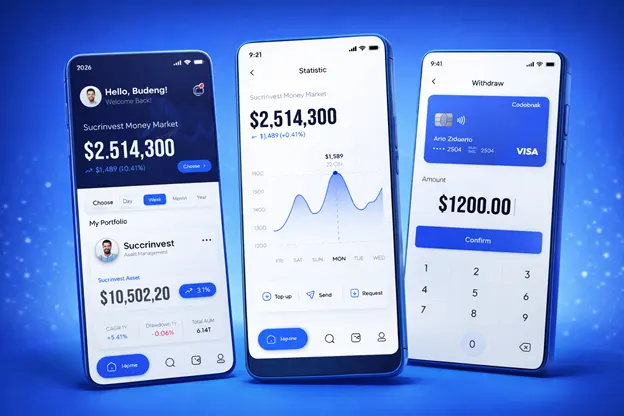
In order for a mobile wallet application to be successful, it needs to provide a simple and clean user-friendly interface that has an easy-to-follow dashboard, straightforward navigation and a transactions section where users can view their gas costs and transaction statuses. The mobile wallet application can also offer assistance through the use of helpful educational tooltips to assist new users with the initial set-up of their mobile wallets and to enable them to access their mobile wallet.
Developing mobile wallet applications
Usually is done on both Android and iOS platforms, either using a native language or a cross-platform framework. The type of framework used for mobile wallet app development will have a major effect on the application's final performance. Developers must be very mindful of performance optimization, as slow transaction processing and delayed syncing of transactions can cause users to lose trust in the application. Additionally, when communicating with blockchain nodes through API, any inefficiencies can prevent a user from receiving real-time updates on their balances.
As a result, it is imperative for any professional company that develops cryptocurrency wallets to consider their technology stack selection carefully to ensure that it meets both performance requirements, scalability requirements and provides a good level of development efficiency.
Integration with DeFi and Web3 Applications
Current functioning of mobile wallets is essentially an entryway into a wider decentralised ecosystem, as customers now want a frictionless experience interacting with decentralised exchanges, lending services, NFT marketplaces and DAO governance (decentralised autonomous organisation) interfaces from their mobile wallet.
To facilitate the secure connection of mobile wallets to Web3 applications, developers have created protocols like WalletConnect as well as in-app browsers that link directly to decentralised apps.
In order for mobile wallets to effectively provide all of these features, developers must build in the ability for apps to interact with smart contracts securely and constantly monitor app behaviour. A reputable company that provides professional crypto wallet development will ensure that integrating DeFi (decentralised finance) is seamless and secure.
Regulatory Compliance in Mobile Wallet Apps
To comply with their respective jurisdictions' local laws, mobile wallet providers must implement regulated digital asset regulations by their government authorities as they provide increased user confidence in the system as well. Depending upon the local laws within a given jurisdiction, this will typically consist of either KYC verification modules, transaction monitoring systems or a combination of both.
A compliance-ready architecture allows businesses operating in various countries to operate without the worry of legal problems. A competent cryptocurrency wallet developer will make sure to continually monitor changes in regulations so that they may implement appropriate compliance features into the wallet application.
Scalability and Future-Proofing
As the Blockchain Biome continues to evolve exponentially the design of mobile wallet applications must allow for scale. By implementing modular architecture new features and blockchain integrations can be added without compromising existing systems.
Cloud backends can handle rapidly growing user bases with frequent updates introducing new token standards and improving security.
The Business Benefits of Launching a Mobile Crypto Wallet
There are many benefits of developing an app that will serve as your brand's mobile wallet. The first advantage is it can help with brand awareness. The second advantage is that it provides better ways for users to engage with your business. Lastly, if you provide a service like transactions, staking rewards, and/or premium services (such as membership fees), you can generate additional new sources of revenue.
Another benefit is that it builds community recognition and loyalty, allowing users access to your entire platform ecosystem. Because users use a wallet to complete their daily transactions, they are more likely to continue engaging with related blockchain projects.
By partnering with a professional blockchain calculator development firm, you can be sure to take full advantage of all these benefits.
Emerging Trends in Mobile Crypto Wallet Development
Account abstraction to improve the usability of crypto transactions by removing the complexity of gas fees and providing easier means of managing and accounting for value.
Next, social recovery systems will no longer rely on seed phrases; they will implement better and safer mechanisms to support backup of wallets.Artificial intelligence is anticipated to provide users with tailored insights, portfolio analysis, and fraud detection in their future wallets.
Conclusion
Today, mobile cryptocurrency wallet apps are vital to modern economies because they offer quick, secure and straightforward access to blockchain networks and decentralized apps. When creating a mobile cryptocurrency wallet that can be both secure and scalable developers must understand blockchain architecture in depth as well as security execution user experience design, and compliance with applicable laws and regulations.
Partnering with an established business that creates cryptocurrency wallets (rather than someone who is new to the space) will help ensure that you create a mobile app with advanced security features, the ability to connect to multiple different blockchains an excellent user experience and scalability potential over time.
As mobile crypto usage continues to grow throughout 2026 and beyond, entrepreneurs who develop mobile wallets that are executed properly will lead the way into this next wave of decentralized innovation.